
介绍
肌腱病、骨关节炎和韧带损伤是常见的肌肉骨骼疾病,可能会引起疼痛且难以治疗。传统方法通常只能提供有限的缓解,推动了对新解决方案的探索。其中一个突破性进展涉及使用从鳟鱼精子DNA中提取的多核苷酸,为这些疾病患者带来了新的希望。在本文中,我们将探讨这一创新治疗背后的科学原理及其与人类DNA的独特关系,同时揭示从鳟鱼精子中提取多核苷酸的过程。
理解肌腱病、骨关节炎和韧带损伤
- 肌腱病: Tendinopathy encompasses a spectrum of conditions affecting tendons, leading to pain, swelling, and reduced mobility. It can result from overuse, aging, or other factors and frequently affects tendons like the Achilles, rotator cuff, and patellar tendons.
- 骨关节炎: Osteoarthritis is a degenerative joint disease characterized by the gradual breakdown of joint cartilage and underlying bone. It results in pain, stiffness, and reduced joint mobility, most commonly affecting weight-bearing joints like the knees, hips, and spine.
- 韧带损伤: Ligamentous injuries involve damage to the strong connective tissue bands (ligaments) that stabilize joints, leading to pain, instability, and limited joint mobility. These injuries can occur due to sudden trauma or chronic stress.

Polynucleotides and Their Unique Source
多核苷酸,通常称为多核苷酸复合体(PNCs),是来源于DNA和RNA片段的生物物质。这一创新的一个引人注目的方面是利用从鳟鱼精子DNA中提取的多核苷酸:
从鳟鱼精子DNA中提取的多核苷酸:
- 鳟鱼精子DNA天然富含多核苷酸,使其成为这些分子的宝贵来源。
- 从鳟鱼精子DNA中获得的多核苷酸包含细胞生长、修复和维护所需的基本遗传信息。
- 它们具有抗炎特性,并且能够刺激组织再生,使其成为治疗肌肉骨骼疾病的有前途的选择。
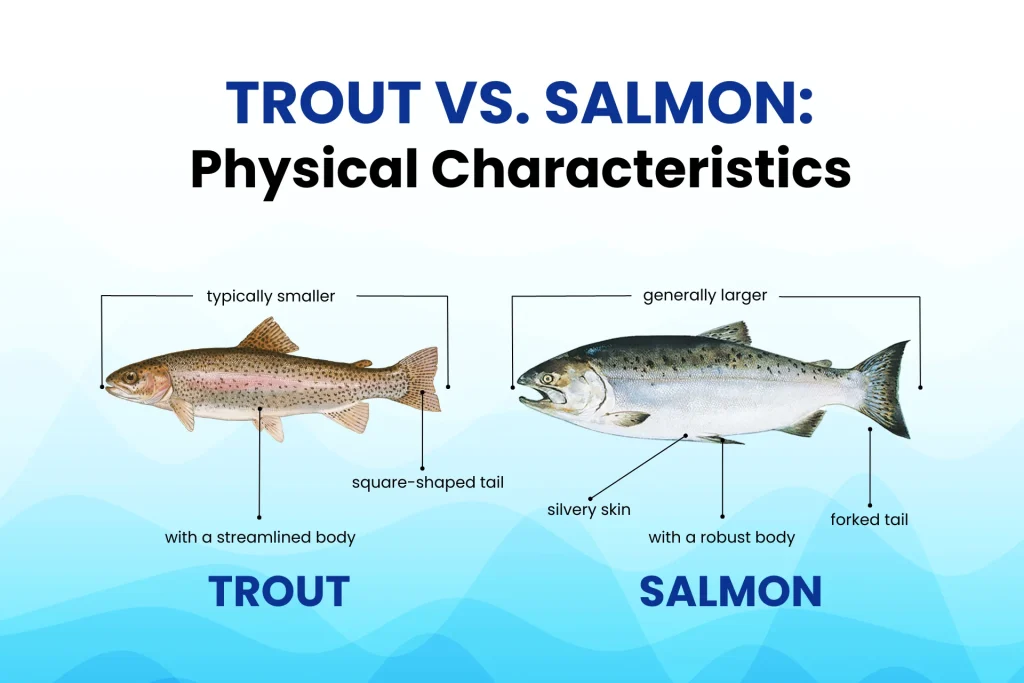
The Process of Harvesting Polynucleotides from Trout Sperm
Polynucleotides harvested from trout sperm DNA involve a meticulous process to extract and purify these valuable molecules. While the exact techniques may vary, here’s an overview of the general steps involved:
- 采集: Trout sperm is collected through non-harmful means, ensuring the fish’s well-being.
- 提取: The DNA is carefully extracted from the collected sperm.
- 纯化: The DNA is then purified to obtain high-quality polynucleotides.
- 配制: The purified polynucleotides are formulated for use in medical treatments.
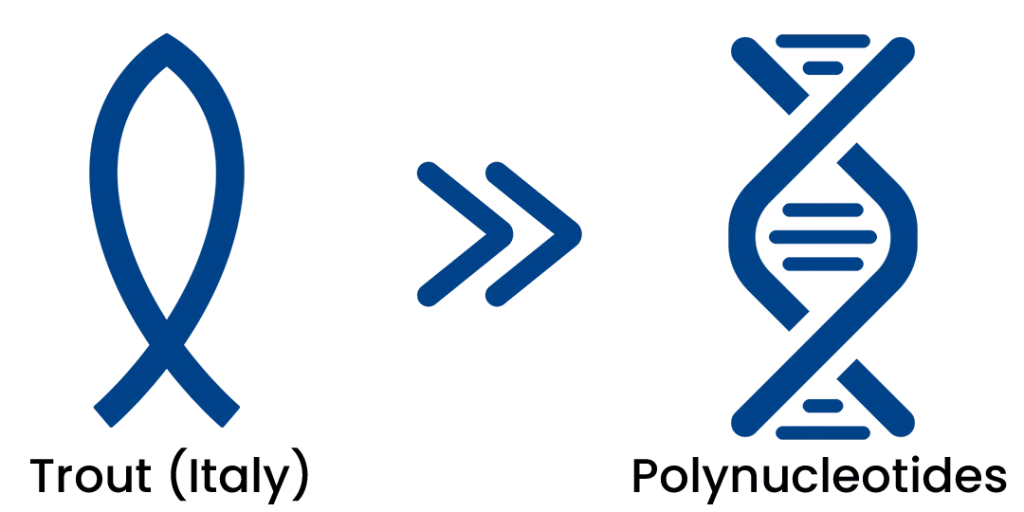
The Relationship to Human DNA
The relationship between polynucleotides derived from trout sperm DNA and human DNA lies in the fundamental genetic structure they share. The basic building blocks of DNA and RNA are consistent across species, including humans and trout. Therefore, the genetic information contained in these polynucleotides can interact with and influence human cellular processes.
How PDRNs Really work?
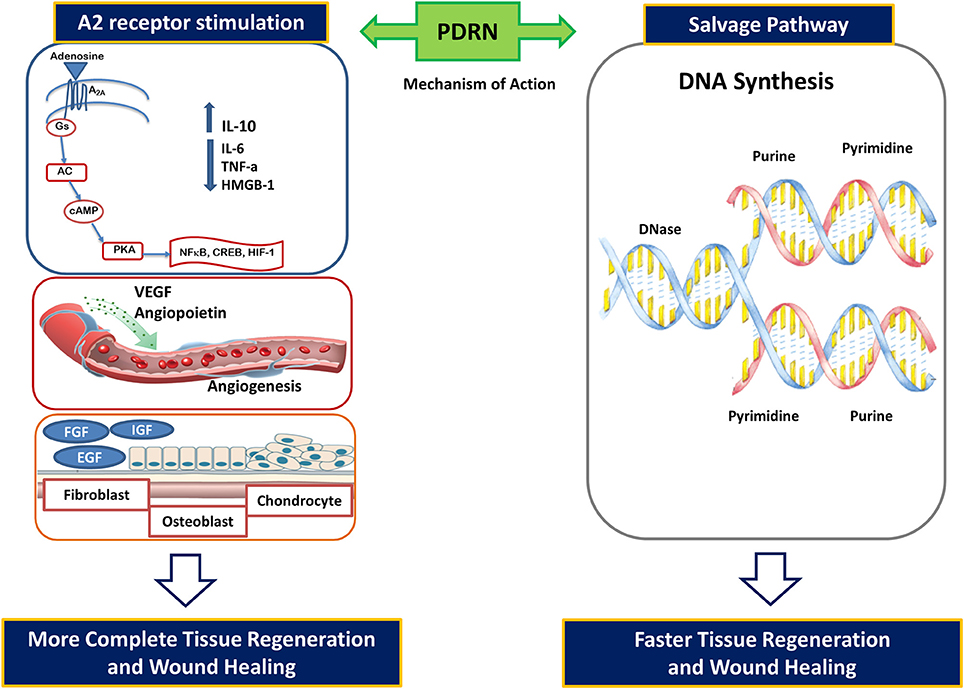
Polydeoxyribonucleotides (PDRNs) are a family of DNA-derived drugs, characterized by a molecular weight of 50–1500 kDa, that derive from a standardized process of purification and sterilization of sperm DNA from Oncorhynchus mykiss (Salmon Trout) or Oncorhynchus keta (Chum Salmon).
They have been shown to have a crucial role in suppressing the release of pro-inflammatory cytokines and activating anti-inflammatory effects. Moreover, they have been proven to have various other beneficial effects, such as stimulating wound healing, tissue repair, and anti-ischemic action.
PDRN is an agonist of one of the adenosine-activated receptors, the A2A receptor. Adenosine binds and activates four specific adenosine receptors referred to as A1, A2A, A2B, and A3.
The A2A receptor plays a crucial role in the regulation of inflammation, cell growth, angiogenesis, oxygen consumption, and cellular ischemia.
Applications in Musculoskeletal Health
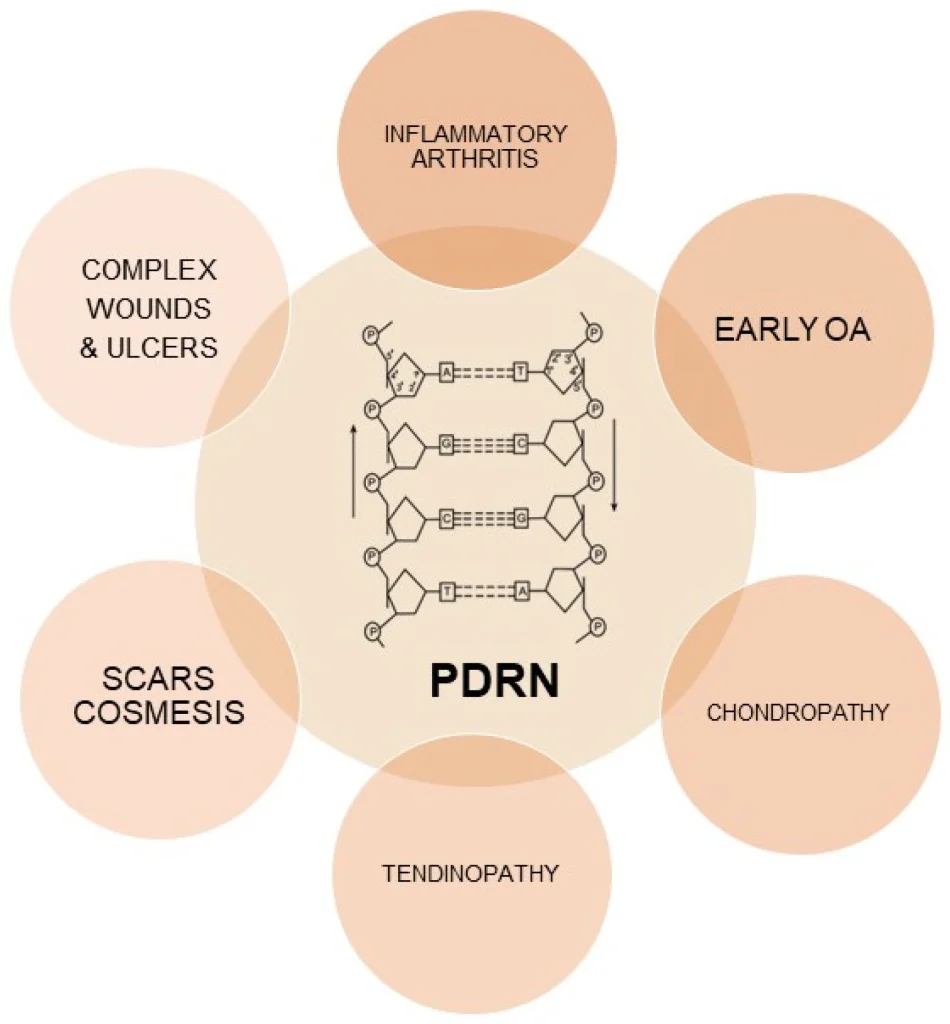
多核苷酸的显著特性在治疗肌肉骨骼疾病方面提供了众多应用:
- 抗炎效果:
- 这些多核苷酸因其能够减少炎症而闻名,炎症是肌腱病、骨关节炎和韧带损伤的常见特征。
- 通过减轻受影响组织中的炎症,它们可以缓解疼痛并改善整体功能。
- 组织再生:
- 多核苷酸可以刺激细胞修复和再生,这是修复受损肌腱、促进骨关节炎关节中新软骨的生长以及修复受伤韧带的关键因素。
- 疼痛管理:
- Pain is a common and debilitating symptom in these conditions. Polynucleotides play a pivotal role in reducing inflammation and enhancing tissue repair, ultimately improving patients’ quality of life.
- 微创治疗:
- 基于多核苷酸的治疗通常涉及微创注射,减少了对广泛外科手术的需求。
结论
从鳟鱼精子DNA中提取的多核苷酸提供了一种新颖且有前景的方法来治疗肌腱病、骨关节炎和韧带损伤。尽管这一领域仍在发展中,但早期结果和患者反馈令人鼓舞。进一步的研究和临床试验对于全面确定其安全性和长期有效性至关重要。
这些多核苷酸与人类DNA之间令人兴奋的关系突显了它们在彻底改变肌肉骨骼医疗保健方面的潜力。随着研究的进展,这一创新方法可能为寻求更有效的肌肉骨骼健康解决方案的个人提供缓解、改善功能和提升生活质量。在医学创新领域,这是一个令人兴奋的时期,因为这些开创性的治疗方法为那些面临这些常见且常常使人虚弱的病症的人们开辟了新的道路。


 简体中文
简体中文  English
  Bahasa Melayu